Our keelboat level 1 certified course offers an introduction to and the basics of sailing. This course is taught on our Ruffian 23, which is, which is an amazing class of racing boat and also very beginner friendly.
The course runs over two days from 10am-4pm on Saturdays ( at the moment )
€220 Members €240 Non Members
Throughout the keelboat level 1 you will learn the following:
Ropework – We get you up and running with some basic knots.
Rigging – How to put the boat together.
Setting the sails.
Steering – getting to grips with the tiller!
Wind Direction – how to determine where the wind is coming from.
Upwind, downwind and sailing at 90° to the wind
(you are only expected to perform these with the assistance of an instructor)
By the end of keelboat level 2 you will be able to:
Rig and derig a boat by yourself
As helm and crew
Sail upwind, downwind, across the wind
Tack & Gybe the boat
Pick-up a mooring & come alongside
Recover a man-overboard
Heave-to & sail under jib only
Reef on a Mooring
Tie a bowline, reef knot, clove hitch and sheet bend
Perform all the manouvers in level 1 unassisted by your instructor
For a full breakdown of the syllabus please go to https://www.sailing.ie/Library/Course-Syllabi
What to Wear and bring
A life jacket and if you don’t have one we have some .
When sailing a keelboat in winter, the most important thing is to stay warm, dry, and comfortable. Wear several layers of clothing rather than one thick jacket. Start with a thermal base layer made of merino wool or synthetic fabric which will keep you warm and wick sweat away from your skin. Over that, add a fleece or wool jumper for insulation, and then a waterproof and windproof outer layer such as a sailing jacket and waterproof trousers or salopettes to protect you from spray and wind. Keep your hands warm with sailing gloves or insulated waterproof gloves, and wear a wool hat or beanie along with a neck warmer to stop heat from escaping. On your feet, wear warm thermal or wool socks inside waterproof wellies or sailing boots with good grip for safety on wet decks. Even on cold days, bring polarised sunglasses to protect your eyes from glare off the water and always wear a life jacket. The key is layering, you can always remove or add clothing as conditions change and avoiding cotton, which stays wet and makes you cold. We would advise against wearing jeans in particular
Hydration on the water is important do bring a bottle of water with you and bring some snacks as well. Please bring a packed lunch as we may be eating afloat.
If you do not have an account please create one on irishsailing.checklick.com and affiliate with Poolbeg Yacht and Boat club. This is where we track your progression and is common across all Irish sailing training centres.
Should we have to cancel due to weather we will let you know the day before at the latest.
Level 1 course requires a minimum of 2 days to complete.
Level 2 course requires a minimum of 4 days to complete.
Our keelboat level 1 certified course offers an introduction to and the basics of sailing. This course is taught on our Ruffian 23, which is, which is an amazing class of racing boat and also very beginner friendly.
The course runs over two days from 10am-4pm on Saturdays ( at the moment )
€220 Members €240 Non Members
Throughout the keelboat level 1 you will learn the following:
Ropework – We get you up and running with some basic knots.
Rigging – How to put the boat together.
Setting the sails.
Steering – getting to grips with the tiller!
Wind Direction – how to determine where the wind is coming from.
Upwind, downwind and sailing at 90° to the wind
(you are only expected to perform these with the assistance of an instructor)
By the end of keelboat level 2 you will be able to:
Rig and derig a boat by yourself
As helm and crew
Sail upwind, downwind, across the wind
Tack & Gybe the boat
Pick-up a mooring & come alongside
Recover a man-overboard
Heave-to & sail under jib only
Reef on a Mooring
Tie a bowline, reef knot, clove hitch and sheet bend
Perform all the manouvers in level 1 unassisted by your instructor
For a full breakdown of the syllabus please go to https://www.sailing.ie/Library/Course-Syllabi
What to Wear and bring
A life jacket and if you don’t have one we have some .
When sailing a keelboat in winter, the most important thing is to stay warm, dry, and comfortable. Wear several layers of clothing rather than one thick jacket. Start with a thermal base layer made of merino wool or synthetic fabric which will keep you warm and wick sweat away from your skin. Over that, add a fleece or wool jumper for insulation, and then a waterproof and windproof outer layer such as a sailing jacket and waterproof trousers or salopettes to protect you from spray and wind. Keep your hands warm with sailing gloves or insulated waterproof gloves, and wear a wool hat or beanie along with a neck warmer to stop heat from escaping. On your feet, wear warm thermal or wool socks inside waterproof wellies or sailing boots with good grip for safety on wet decks. Even on cold days, bring polarised sunglasses to protect your eyes from glare off the water and always wear a life jacket. The key is layering, you can always remove or add clothing as conditions change and avoiding cotton, which stays wet and makes you cold. We would advise against wearing jeans in particular
Hydration on the water is important do bring a bottle of water with you and bring some snacks as well. Please bring a packed lunch as we may be eating afloat.
If you do not have an account please create one on irishsailing.checklick.com and affiliate with Poolbeg Yacht and Boat club. This is where we track your progression and is common across all Irish sailing training centres.
Should we have to cancel due to weather we will let you know the day before at the latest.
Level 1 course requires a minimum of 2 days to complete.
Level 2 course requires a minimum of 4 days to complete.

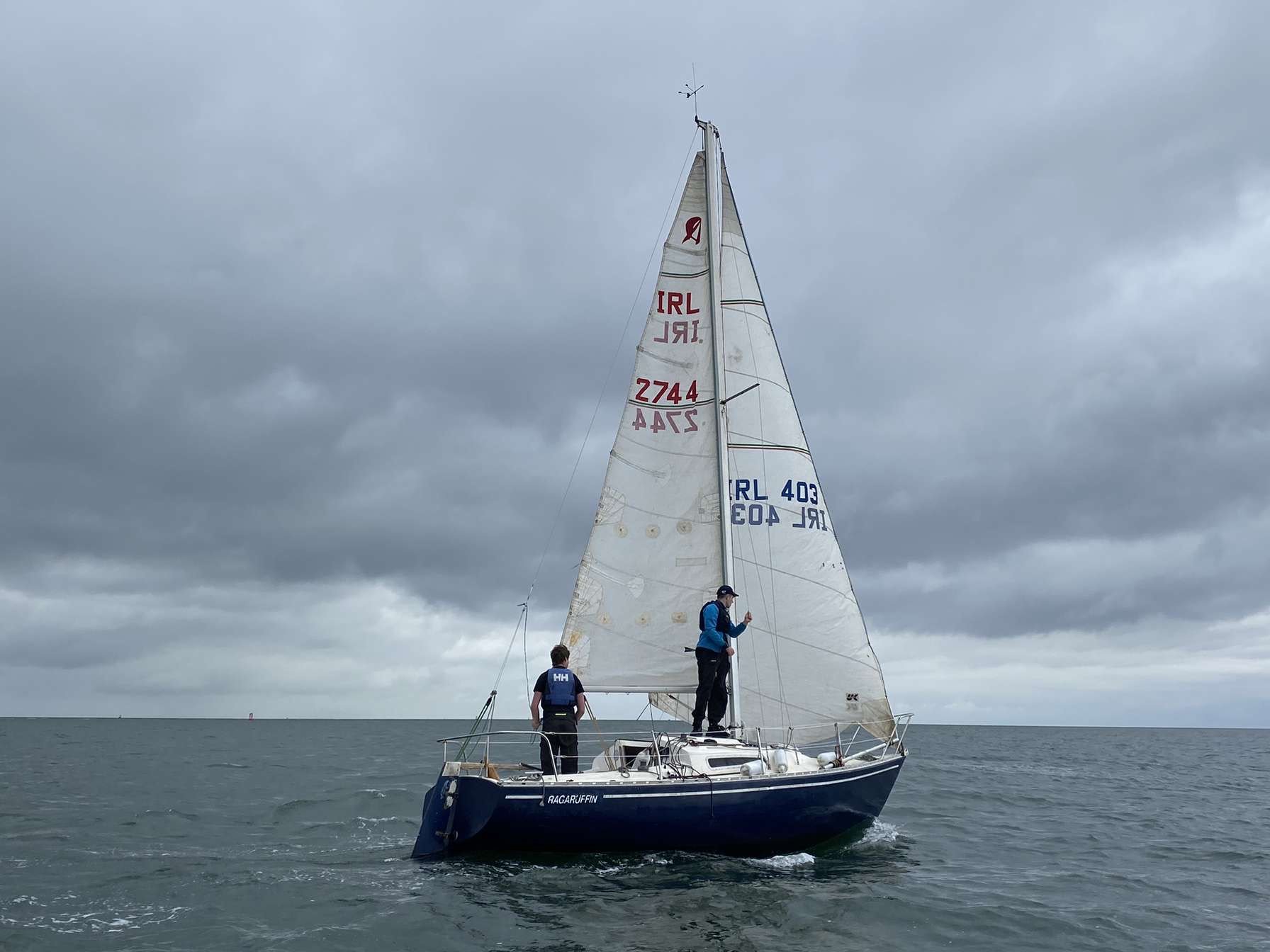 Image 1 of 3
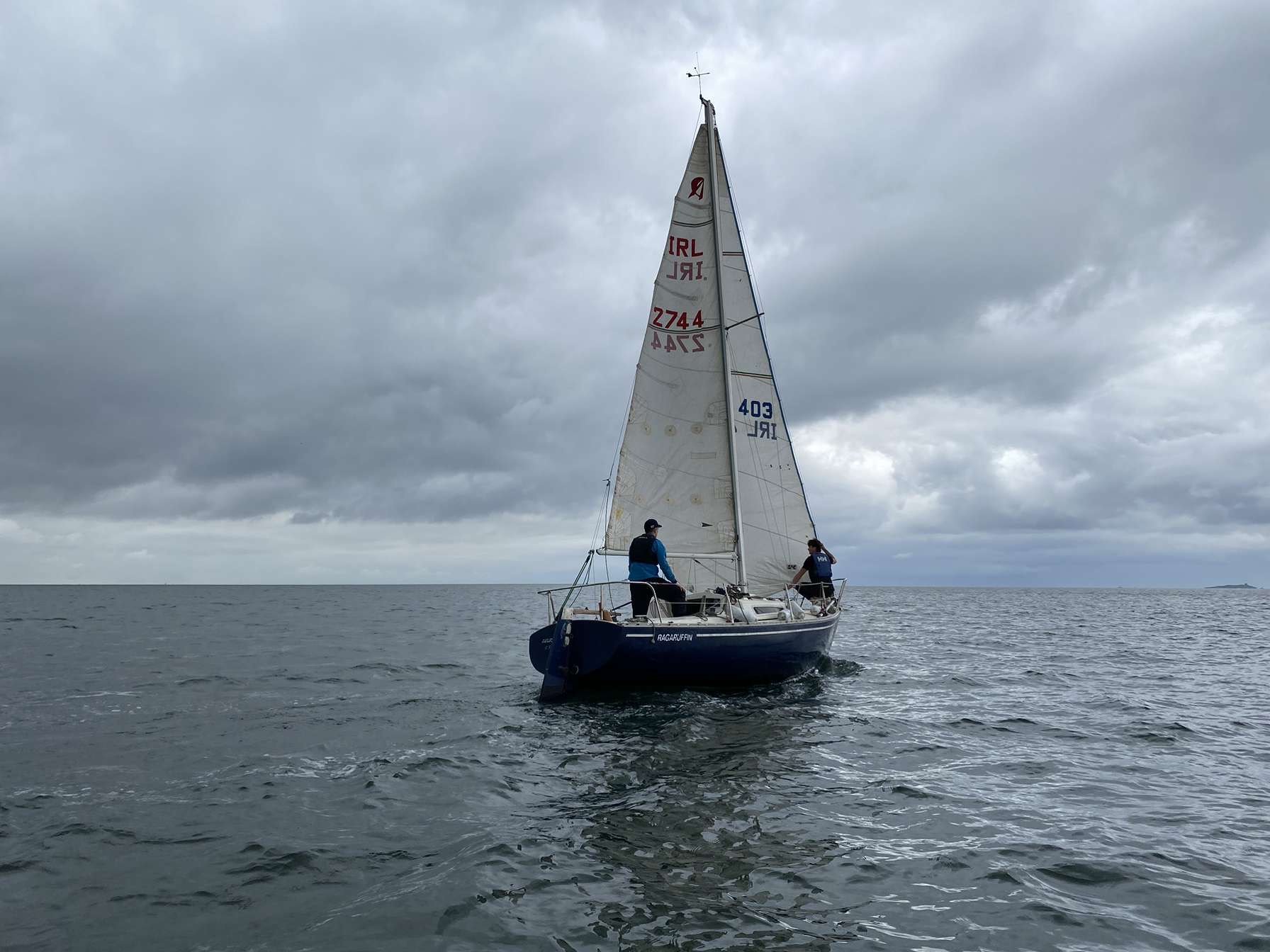 Image 2 of 3
 Image 3 of 3